
SEO
Digital Marketing Without a Marketing Department: A Practical Guide

Digetal marketing, meaning digital marketing, does not need a marketing department. For a small business it comes down to four jobs: be findable on Google, make it easy to get in touch, reply fast, and check what works. You do them one at a time, in that order. This guide shows you how, and where your money does the most good.
What does digetal marketing really mean?
Digetal marketing is a common typo. The word you want is digital marketing. It means using the internet to win customers: your website, Google, email and social media. Anything online that makes a stranger notice you, trust you and get in touch counts.
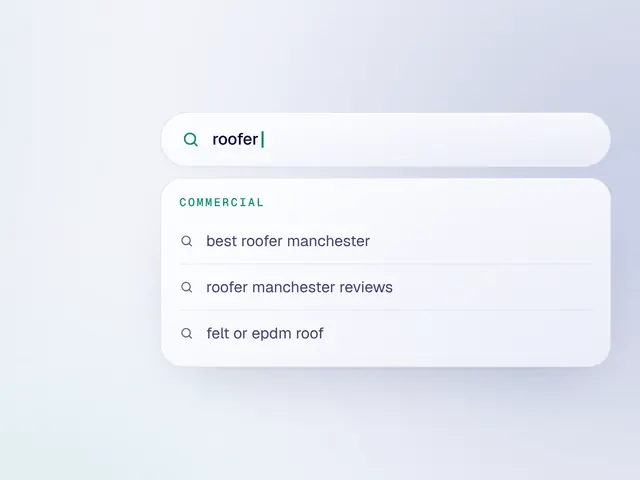
Take an electrician in Leeds. A customer's fuse box trips at eight in the evening. She searches on her phone, looks at three results, reads a few reviews and calls the one that looks reliable. That whole path is digital marketing. Most of it happens before you know she exists.
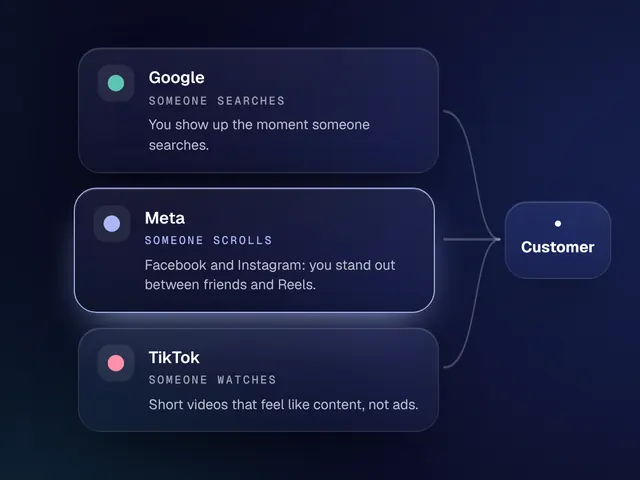
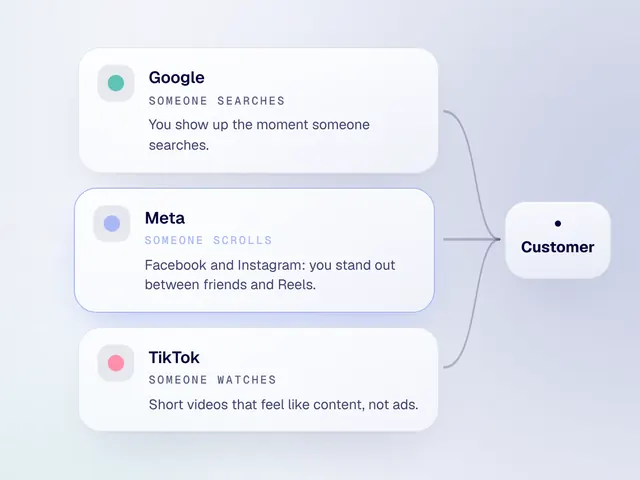
These are the main channels, each in one line:
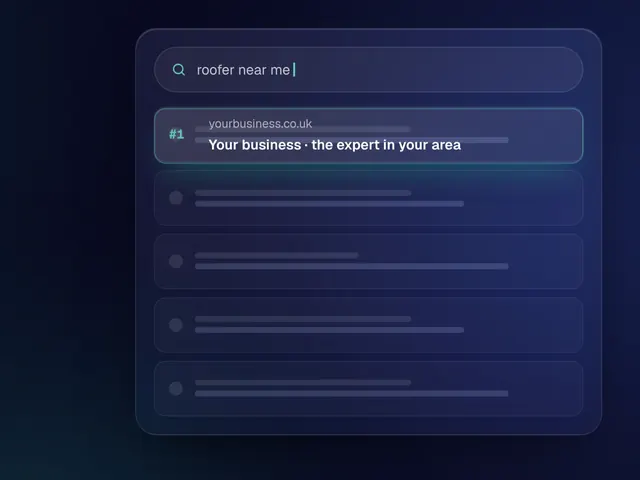
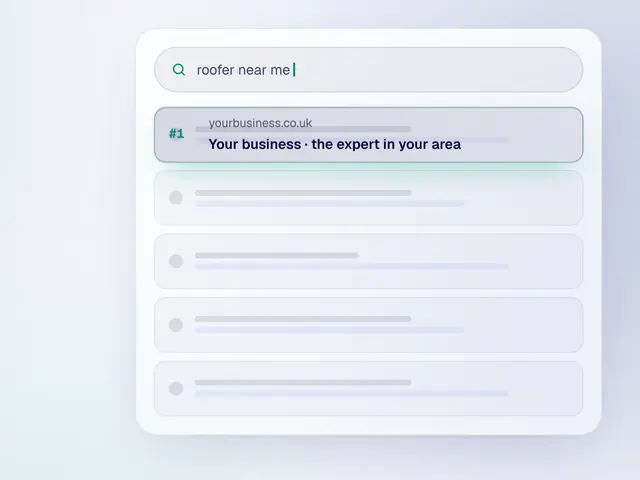
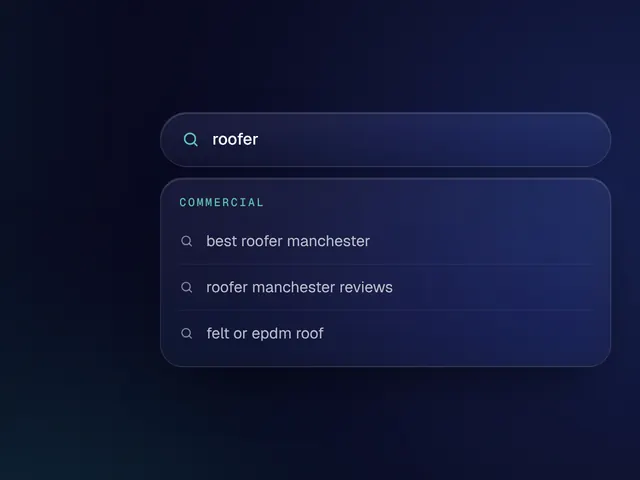
- SEO (search engine optimisation): making your site easier to find in the normal, unpaid Google results.
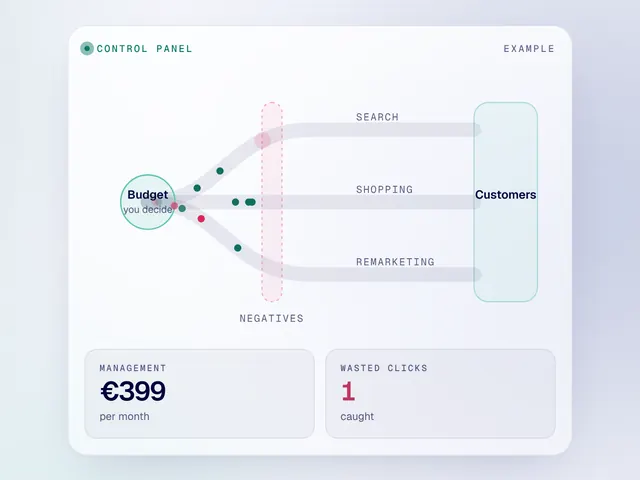
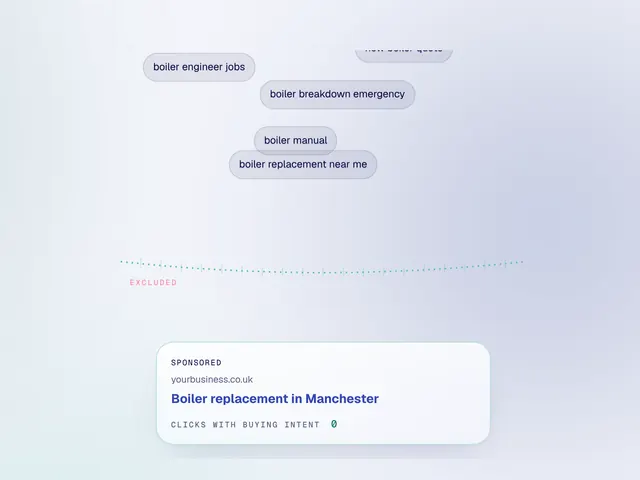
- Google Ads: paying to appear at the top of a search, and paying only when someone clicks.
- Email: writing to people who already know you or have asked to hear from you.
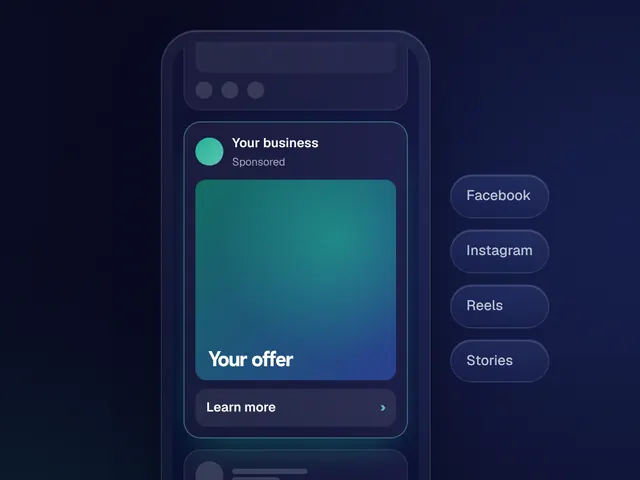
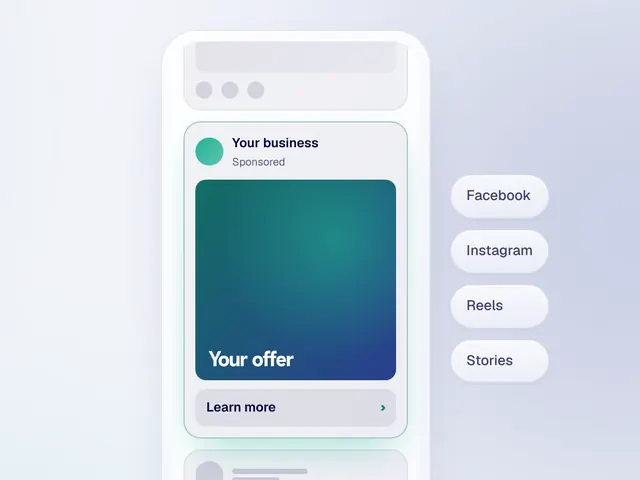
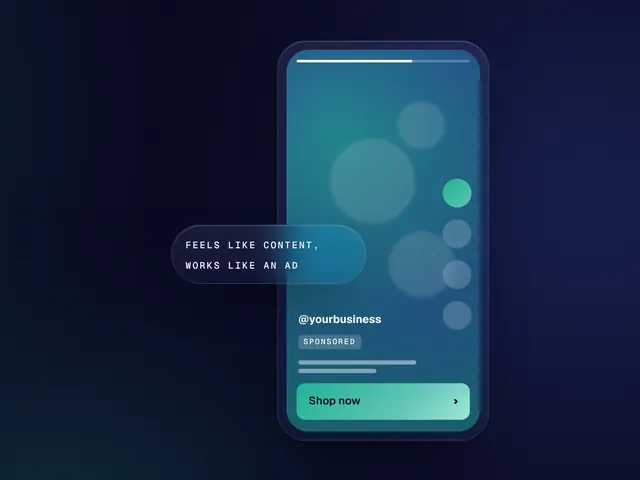
- Social media: showing your work where people scroll, such as Instagram or Facebook.
What can you do without a marketing department?
More than you think, if you keep the list short. Big companies have marketing departments because they have many products and many channels. You have one business and a handful of services. Four jobs cover most of what you need:
- Be findable. When someone nearby searches for what you do, your business shows up.
- Make contact easy. Your website says what you do, where you work and how to reach you. The phone number or form is visible on a phone screen without scrolling around.
- Follow up fast. Reply to every enquiry the same day. A quick, friendly answer often beats a lower price.
- Check what works. Once a month, count how many enquiries came in and where they came from.
What is a marketing strategy for a small business?
A marketing strategy is a plan for who you want as customers, what you offer them first, and how they will find you. For a small business it fits on one page. You only need four answers:
Who is your best customer? What is the first thing you want them to ask for or buy? Where do they look when they need it: Google, Maps, Instagram, a neighbour's advice? And how will you know it is working?
A dive school on Bonaire might answer: holidaymakers, a first guided dive, they search Google before they fly, and I count the bookings that come through the website. That is a strategy. It is short, and it tells you where to put your effort.
The last answer is what people call a KPI, which is simply a number you watch. If you are not sure which numbers matter, read what a KPI is and which ones to track.
How does email marketing work, and is there a 3 email rule?
Email marketing means sending messages to people who agreed to receive them. You collect addresses from customers and website visitors, then use an email service to send the same message to the whole list. The service handles unsubscribes and shows you who opened what.
You may see a "3 email rule" mentioned online. I am not aware of an official rule with that name, and people use it in different ways. A sensible habit for a small business is this: after someone enquires, send a confirmation, then one useful email (how you work, what to prepare), then a polite question about whether they want to go ahead.
What about sending 10,000 emails a day? Most small businesses never need to. A list of a few hundred real customers who know you will do more for you than a huge list of strangers. Mass sending also needs permission from the people on the list, and the rules differ per country, so check them where your customers live. Sending to people who never asked is also the quickest way to end up in spam folders.
Where should you spend money first?
Start with the website, because every other channel sends people there. If it is slow, confusing or hard to use on a phone, fix that before you pay for visitors. A one-pager starts at €699 and a full website at €2,499. Maintenance is €15 to €35 per month.
Then choose between waiting and paying. SEO services build up over months and keep working after you stop pushing. Bloemenhuis Orchidee, a flower shop, got 118% more organic traffic in 3 months with SEO. That is one case and your result will depend on your market and your site. Google Ads bring people sooner, but you pay for every click, so they need a website that turns clicks into enquiries.
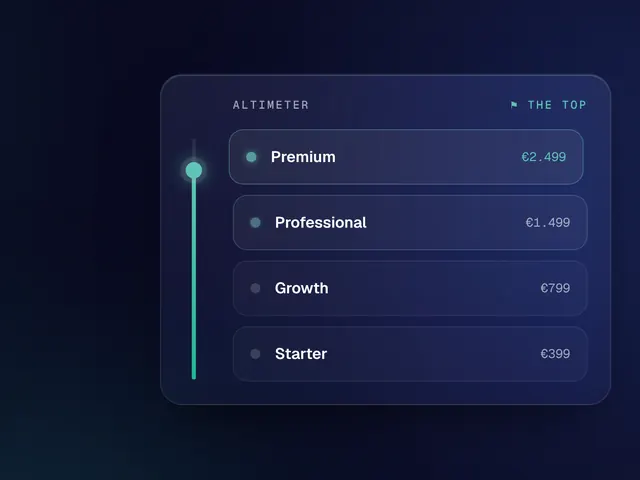
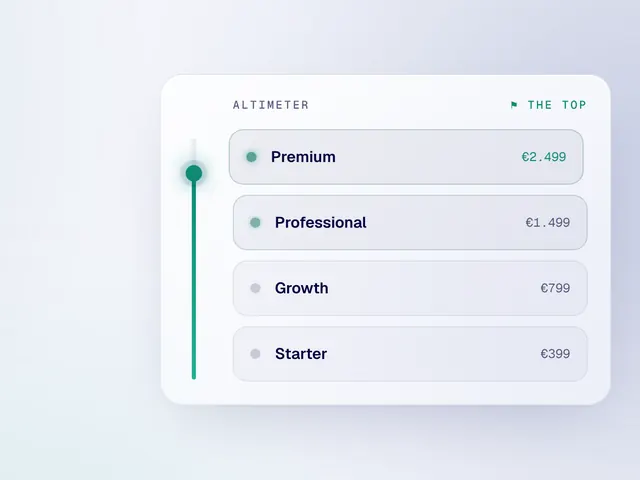
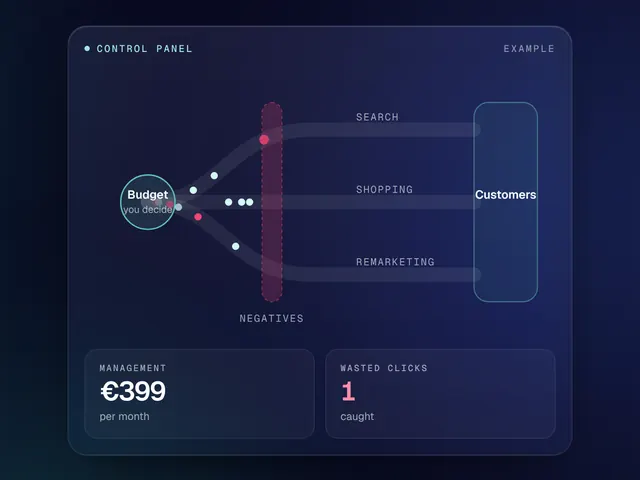
My SEO and Google Ads packages cost €399, €799, €1,499 or €2,499 per month, and you can cancel each month. Ad spend comes on top. You talk to me directly, and I do the work myself.
If you sell mostly to people nearby, start with the basics of being found locally. If you need customers this month, ads can help. If you are unsure, do not spend on both yet.
How do you keep digital marketing going each week?
Marketing without a department works when it is a small, regular habit. Block one hour a week. Spend ten minutes looking at your enquiries: how many came in, and did you reply on the same day? Spend twenty minutes on your website, checking that the contact details work and that your best service is easy to find. Use the rest to add one thing: a new photo of finished work, a recent customer review, or a short answer to a question customers keep asking.
Once a month, compare the numbers with your four answers from the strategy page. If enquiries rise, keep going. If they do not, change one thing at a time, so you know what made the difference.
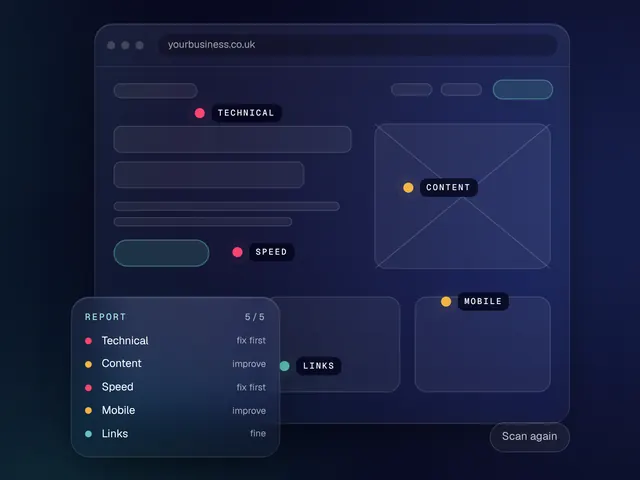
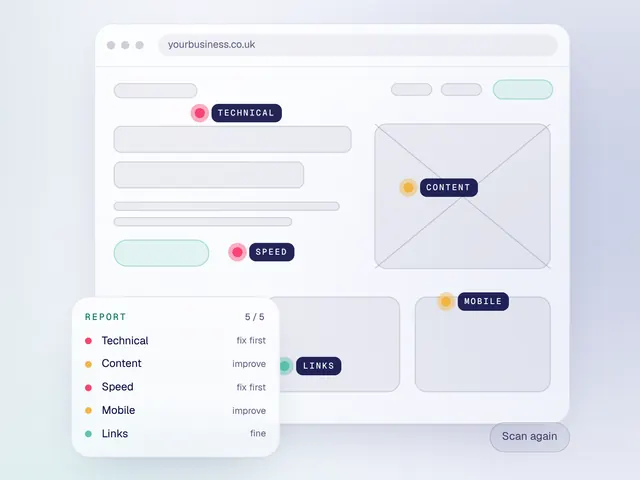
If you would rather have someone look at your situation than guess, request the free quickscan. Tell me about your business and I will say which of the four jobs is holding you back, and what I would fix first.
Frequently asked questions
What is Gen Z in marketing?
Gen Z is the generation born roughly between the late 1990s and early 2010s. In marketing it matters only if these people are your customers. Check who actually buys from you before changing anything. Many local businesses serve mixed ages, and a clear website that works well on a phone helps with every age group.
Is digetal marketing the same as digital marketing?
Yes. Digetal marketing is a misspelling of digital marketing. Both mean getting customers through the internet, using your website, Google, email and social media. Google understands the typo and shows the same kind of results, so you will find the right information either way.
Can I do digital marketing myself without experience?
Yes, for the basics. You can keep your website's contact details correct, reply to enquiries quickly, ask happy customers for reviews and count your enquiries each month. SEO and Google Ads take more skill and time, and mistakes can cost money. Many owners handle the basics and hand those parts over.
How many emails can a small business send in a day?
There is no single number that suits every business. Your email service sets its own sending limits, and what matters more is sending only to people who agreed to hear from you. For most small businesses, one useful email to a small list each month beats a daily mass mailing.
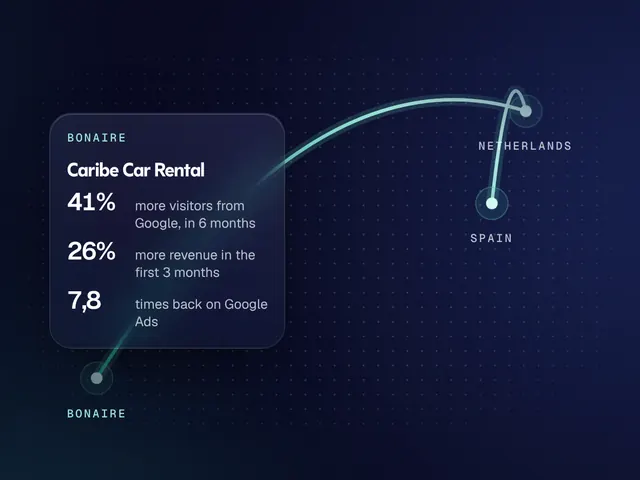
Dimitry founder of Growetic. He does SEO, Google Ads and websites for businesses in the Netherlands, on Bonaire and in Spain.